
One-Day Bathroom Remodel vs. Full Renovation: Which Is Right for Your Home?
A bathroom can feel outdated long before it needs a complete renovation. Worn finishes, an inconvenient bathtub, or a difficult step-over can make the room frustrating even when the layout and underlying structure still work well.
That distinction matters.
For some homeowners, a one-day tub-to-shower conversion or walk-in tub conversion can solve the main problem without rebuilding the entire bathroom. Other bathrooms need a full renovation because the homeowner wants a new layout, broader design changes, or repairs that require access behind walls and beneath floors.
At Prestige Home Remodeling, we provide bathroom renovations services as well as one-day tub-to-shower and walk-in tub conversions. The right choice depends on what you want to change and the condition of the existing bathroom.
This guide explains the differences, which situations suit each option, and the questions homeowners should answer before choosing a project scope.
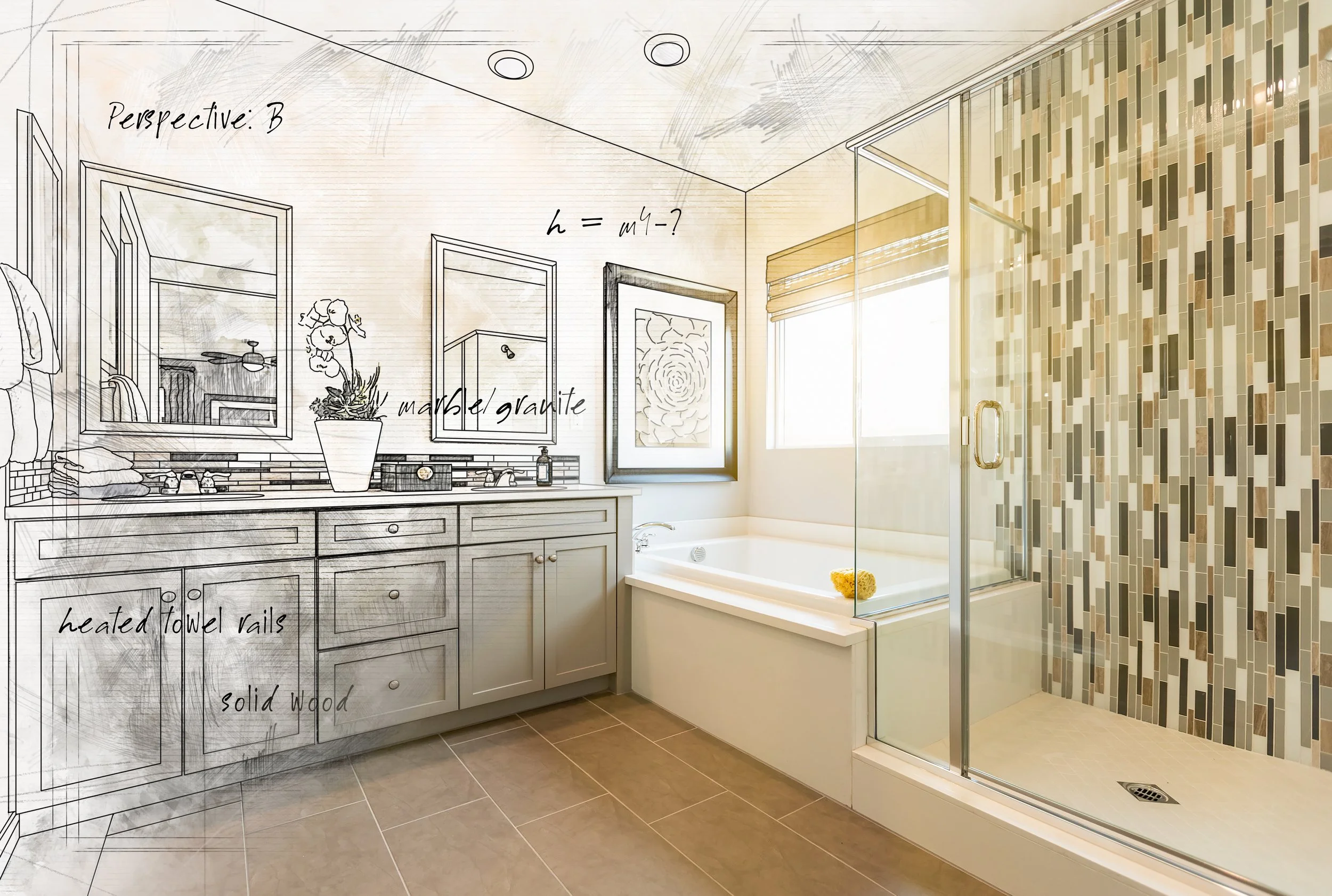
What a One-Day Bathroom Remodel Actually Is
The phrase "one-day bathroom remodel" can create the wrong impression. It doesn't necessarily mean a contractor rebuilds an entire bathroom in one day.
At Prestige Home Remodeling, the one-day option focuses on specific bathroom conversions, including tub-to-shower and walk-in tub projects.
These projects work well when homeowners want to improve the bathing area without changing the entire room.
A one-day conversion can provide a more convenient shower or bathing solution while keeping the bathroom's basic footprint largely intact. Because the contractor plans and prepares the conversion in advance, the project requires far less disruption than a full bathroom renovation.
Our one-day bathroom transformation service explains this option in more detail.
A one-day conversion makes the most sense when the bathroom functions well overall and the main concern involves the existing tub or shower.
What a Full Bathroom Renovation Actually Is
A full bathroom renovation gives homeowners much more freedom.
Instead of focusing on one part of the bathroom, the project can address the entire space. Homeowners may replace flooring, cabinetry, countertops, lighting, fixtures, tile, and other finishes. They may also rethink the layout or update plumbing and electrical systems when the project requires those changes.
A full renovation also gives the contractor access to areas that a targeted conversion may not reach.
For example, a larger project may make sense when you want to:
Change the bathroom layout
Move plumbing fixtures
Replace flooring throughout the room
Install custom tile
Add or change storage
Update lighting
Address damaged materials beneath finished surfaces
Create a highly customized design
Coordinate several major bathroom improvements at once
Our bathroom remodeling work across Maryland provides an overview of our broader bathroom renovation services.
You can also read our Timonium bathroom remodeling guide for additional planning information.
One-Day Conversion vs. Full Bathroom Renovation
The two options solve different problems.
| One-day tub-to-shower or walk-in tub conversion | Full bathroom renovation | |
|---|---|---|
| Primary goal | Improve the bathing area | Update or redesign the entire bathroom |
| Project scope | Focused | Broad |
| Layout changes | Usually keeps the basic layout | Can include layout changes |
| Disruption | Limited | Greater |
| Design flexibility | More focused selection | Much broader selection |
| Plumbing changes | Usually limited | Can include more extensive changes |
| Structural repairs | Not the primary purpose | Can address broader underlying conditions |
| Best fit | Sound bathroom with a specific bathing-area need | Bathroom that needs multiple changes, repairs, or a new layout |
Neither option automatically offers better value.
The right choice depends on the problem you want the project to solve.
A homeowner who wants easier shower access may not need to rebuild the entire bathroom. A homeowner who dislikes the layout, needs new flooring, wants additional storage, and plans to replace every fixture will probably gain more value from a full renovation.
Five Signs a One-Day Conversion May Fit Your Bathroom
A targeted conversion can make sense when the rest of the bathroom still works well for you.
Your Existing Layout Works
You like where the toilet, vanity, and bathing area sit. You do not need more floor space or a different traffic pattern.
Your main concern involves the tub or shower rather than the entire room.
In that case, changing the whole bathroom may add work without solving an additional problem.
You Want to Replace a Tub With a Shower
Many homeowners eventually decide that they use a shower more often than a bathtub.
A tub-to-shower conversion can make the bathing area more convenient without forcing you to redesign the rest of the bathroom.
This focused scope can provide a significant functional change with less disruption than a complete renovation.
You Want a Walk-In Tub
A walk-in tub can give some homeowners a bathing option that better matches their mobility and comfort needs.
The decision depends on the homeowner, bathroom configuration, and selected product, so a contractor should evaluate the space before recommending a solution.
Prestige Home Remodeling offers walk-in tub conversions as part of its bathroom services.
The Rest of the Bathroom Remains in Good Condition
A targeted conversion works best when the surrounding room does not require major repairs or upgrades.
If the flooring remains sound, the layout works, and you do not need extensive plumbing, electrical, or structural changes, a focused project may meet your needs.
You Want to Limit Disruption
A full renovation affects more of the room and requires more construction activity.
A focused conversion limits the project to a smaller area. That narrower scope can make the project more practical for homeowners who want to restore normal bathroom use quickly.
Six Signs You Should Consider a Full Bathroom Renovation
A one-day conversion cannot solve every bathroom problem.
The following conditions should push the conversation toward a broader renovation.
You Want to Change the Layout
A different layout requires more than new surfaces.
If you want to move the toilet, reposition the vanity, enlarge the shower, or make another substantial floor-plan change, you need a project scope that allows plumbing, electrical, framing, and finish work as necessary.
A full renovation gives you that flexibility.
You See Signs of Water Damage
Do not cover a moisture problem with new finishes.
Soft flooring, recurring stains, peeling finishes, persistent musty odors, or visible moisture may indicate a problem that requires further investigation.
A contractor should identify the source and determine the appropriate repair before installing new finishes.
You Need Several Major Updates at Once
A tub-to-shower conversion may not make sense when you also need new flooring, new cabinetry, different lighting, extensive tile work, and broader fixture changes.
Bundling those improvements into a full renovation can create a more coordinated result.
You Need Broader Plumbing or Electrical Changes
Some bathroom plans require more than a straightforward fixture replacement.
If your goals involve relocating plumbing, adding electrical features, substantially changing lighting, or addressing older systems, a full renovation gives the project team more access and flexibility.
You Want a Highly Customized Bathroom
A one-day conversion focuses on efficiency and a defined project scope.
A homeowner who wants custom tile patterns, extensive stonework, specialized cabinetry, heated flooring, or a completely new layout will usually need a broader renovation.
The Existing Bathroom No Longer Functions Well
Appearance does not always create the biggest problem.
Poor storage, limited floor space, an awkward vanity location, inadequate lighting, or a layout that creates daily frustration can justify a full renovation even when the finishes still look acceptable.
A complete renovation lets you improve function and appearance at the same time.
How Existing Conditions Affect the Decision
The condition of the bathroom matters as much as the design goal.
Before choosing a project type, look beyond color, tile, and fixtures.
Ask yourself whether the floor feels solid. Look for signs of moisture around the tub, shower, toilet, and vanity. Check the room for persistent odors, peeling paint, or staining. Think about whether the ventilation handles everyday bathroom use effectively.
These observations do not replace a professional inspection, but they can help you identify questions before the project begins.
Older homes can also contain building materials and systems that require additional care during renovation. A qualified contractor should evaluate the existing conditions and explain how they affect the proposed scope.
The key point remains simple:
A fast conversion makes sense when the existing conditions support it. A contractor should address underlying problems before installing new finishes.
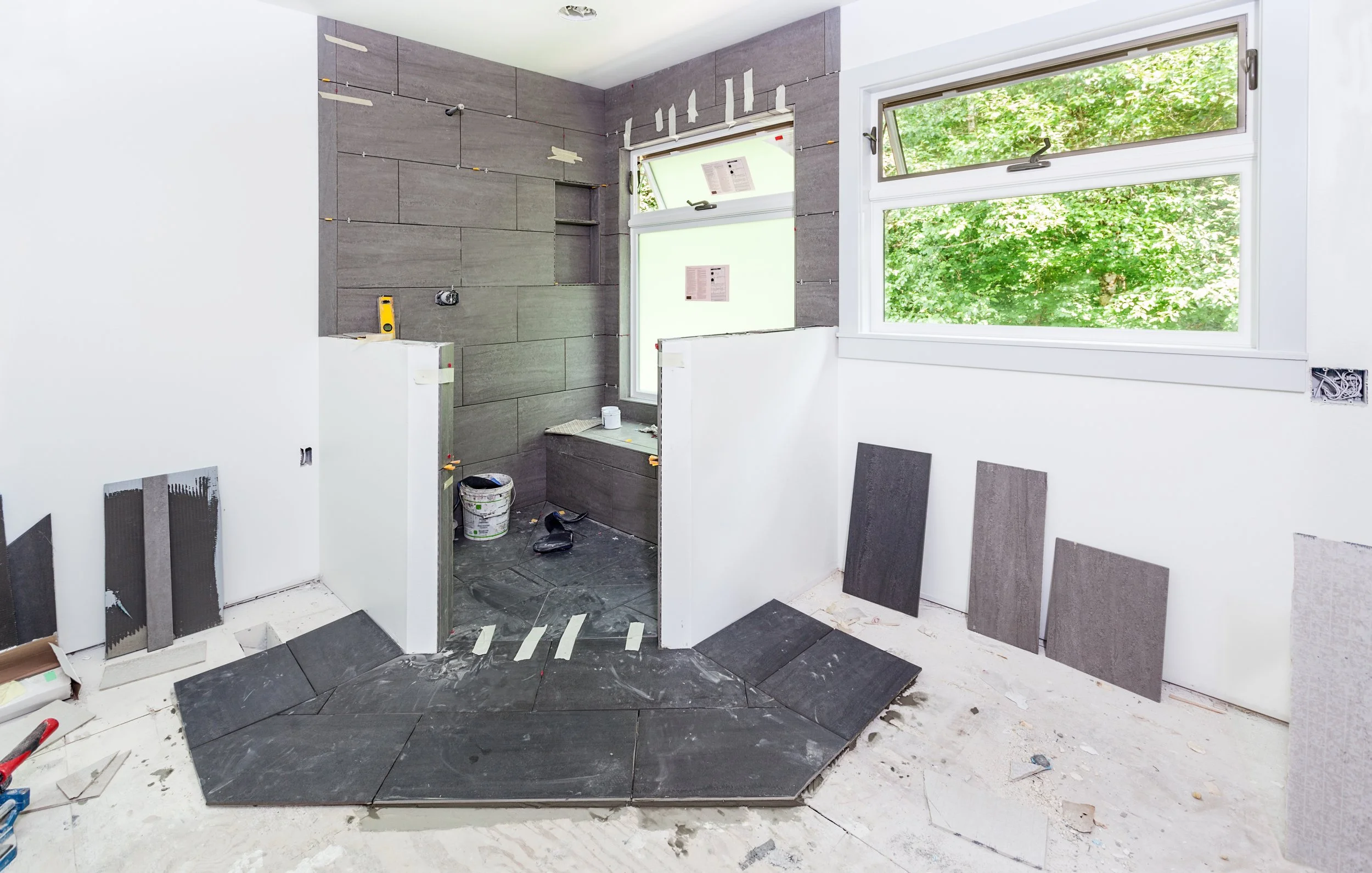
What About Accessibility?
Homeowners often consider a tub-to-shower or walk-in tub conversion because entering and exiting the existing bathtub has become uncomfortable or difficult.
A lower-entry shower or walk-in tub may improve everyday access for some homeowners.
However, accessibility needs vary from person to person.
A contractor should consider the bathroom layout, available space, entry height, flooring, fixture placement, and the homeowner's specific needs before recommending a design.
Some homeowners may need only a targeted bathing-area conversion. Others may benefit from a larger renovation that creates more floor space or moves bathroom fixtures.
If you plan to stay in your home for years, think beyond your immediate needs. Choose a bathroom layout that can continue to serve you comfortably as those needs change.
The Trade-Offs of a One-Day Conversion
Speed provides an obvious advantage, but homeowners should also understand the limitations.
You Keep Much of the Existing Layout
A focused conversion works within the existing bathroom rather than rebuilding the room around a new floor plan.
That approach saves time, but it does not solve problems elsewhere in the layout.
You Have a More Focused Design Scope
A full renovation allows homeowners to combine products, materials, tile, cabinetry, and custom details from a much broader range of possibilities.
A conversion focuses primarily on the bathing area and the products that support that project.
For many homeowners, that focused choice makes the process easier. For others, it limits the custom design they want.
Existing Conditions Still Matter
A contractor should not simply conceal damaged material.
If the team discovers a condition that changes the appropriate scope, the contractor should discuss it with the homeowner before proceeding.
That conversation protects both the project and the home.
The Trade-Offs of a Full Bathroom Renovation
A full renovation gives you greater flexibility, but that flexibility requires a larger project.
You Live With More Construction Activity
A full renovation affects more surfaces and systems.
Homeowners should expect greater disruption than they would experience during a focused conversion.
If the household relies heavily on the bathroom under construction, plan for alternative arrangements before work starts.
More Decisions Affect the Budget
A complete renovation requires choices about cabinetry, flooring, tile, plumbing fixtures, lighting, paint, hardware, and other finishes.
Each decision can change the final investment.
Set priorities early so you can direct the budget toward the features that matter most.
Existing Conditions May Change the Scope
Once a contractor removes old materials, the team may discover conditions that require attention.
Homeowners often include a contingency in their renovation budget for this reason.
Our guide to bathroom remodel costs in Maryland explains more of the factors that can influence the overall investment.
What About Bathroom Remodeling Permits?
Permit requirements depend on the work involved.
A straightforward fixture or surface change may trigger different requirements from a project that changes plumbing, electrical systems, structural elements, or the layout.
Baltimore County publishes current permit information through its official permit application pages.
Because local rules and fees can change, homeowners should check current requirements for their specific project rather than rely on an old fee figure or a general rule.
A professional remodeling contractor should also identify applicable permits during project planning.
Our guide to permits for home renovations in Baltimore County provides additional information about the process.
Maryland homeowners should also verify a home improvement contractor's current credentials before signing an agreement. The Maryland Home Improvement Commission provides licensing and consumer information through its consumer advice page.
A Simple Way to Decide
You can narrow the decision by asking three questions.
1. Does the Problem Extend Beyond the Tub or Shower?
If the bathroom works well and you mainly want to replace the bathing area, consider a one-day conversion.
If you need new flooring, cabinetry, lighting, plumbing changes, layout improvements, or repairs elsewhere in the room, consider a full renovation.
2. Do You Want to Move Anything?
A targeted conversion works best when the basic layout stays in place.
If you want to relocate major fixtures or redesign the room, choose a full renovation.
3. Do Existing Conditions Need Attention?
Do not make speed the priority when the bathroom shows signs of leaks, moisture damage, weakened flooring, or another underlying problem.
Address those issues first.
Once you understand the room's condition, you can choose the project scope with much more confidence.
Think About the Rest of Your Remodeling Plans
Your bathroom project may form one part of a larger plan for the house.
If you expect to remodel several spaces, build an addition, or finish a basement, consider how the projects fit together before you start.
For homeowners comparing bathroom work with a larger expansion, our Hunt Valley and Cockeysville home additions guide provides additional planning information.
You can also explore our basement remodeling and home addition services when those projects form part of your long-term plans.
Coordinating major improvements can help you make better decisions about budget, sequence, and design.
Choose the Scope That Solves the Actual Problem
The best bathroom project does not automatically involve the most demolition or the fastest installation.
It solves the problem you actually have.
A one-day tub-to-shower or walk-in tub conversion can make sense when the bathroom remains sound, and you want to improve the bathing area with minimal disruption.
A full renovation makes more sense when you want broader changes, need repairs, dislike the layout, or want a more customized result.
Prestige Home Remodeling offers both targeted bathroom conversions and complete bathroom renovations so that the conversation can start with the room's needs rather than a single predetermined solution.
Ready to transform your Maryland bathroom with a team that values transparency, quality craftsmanship, and clear communication? We'd love to discuss your vision and help you find the perfect scope for your space. Start planning your bathroom remodel with us today.
Frequently Asked Questions
1. Is a one-day bathroom remodel worth it?
A one-day conversion can offer strong value when the bathroom's basic layout works and the primary problem involves the tub or shower. A full renovation may provide better value when the room needs broader repairs, layout changes, or several major updates.
2. What is the difference between a one-day remodel and a full bathroom renovation?
A one-day conversion focuses primarily on the bathing area. A full bathroom renovation can update the entire room and may include new flooring, cabinetry, lighting, fixtures, tile, plumbing changes, electrical work, and layout changes.
3. How long does a full bathroom renovation take?
The timeline depends on the project scope, material selections, existing conditions, permit requirements, and inspections. A contractor should provide a project-specific schedule after defining the work.
4. Can a one-day bathroom remodel fix a leak or water damage?
A contractor should identify and address the source of active leaks or damaged materials before installing new finishes. If the bathroom requires broader repairs, the project may need a larger renovation scope.
5. Do I need a permit for a one-day bathroom remodel in Baltimore County?
Permit requirements depend on the work. A targeted conversion may face different requirements from a project that changes plumbing, electrical systems, structural elements, or the room's layout. Check Baltimore County's current requirements and discuss the project with your contractor before work starts.